Velvety Vanilla Cake Recipe
If you’re on the hunt for a cake that’s impossibly soft, lusciously tender, and melt-in-your-mouth dreamy, you’re going to love this Velvety Vanilla Cake Recipe. I’ve tested this recipe countless times in my kitchen, tweaking it until it hit that perfect balance of moistness and crumb. This cake isn’t just any vanilla cake—it’s the kind that keeps everyone coming back for seconds (and thirds!), whether you’re baking for a casual coffee or a special celebration. Stick around, because I’m going to walk you through everything I’ve learned so you can nail this beautiful bake every single time.
Why This Recipe Works
- Perfect Fat-Liquid Balance: Combines butter, oil, and buttermilk for a moist, tender crumb without being greasy.
- Gentle Folding Technique: Prevents overmixing, which keeps the cake irresistibly soft and velvety.
- Vanilla and Vinegar Combo: Enhances the cake’s flavor and reacts with baking soda for extra rise and fluffiness.
- Balanced Sweetness: The American buttercream frosting uses just the right amount of sugar for creamy, melt-in-your-mouth sweetness without overwhelming the cake.

Ingredients & Why They Work
Every ingredient in this Velvety Vanilla Cake Recipe plays a crucial part to create that soft texture and rich vanilla flavor you’re craving. Using a combination of all-purpose flour plus cornstarch softens the crumb, and buttermilk adds subtle tang and moisture. Here’s a quick look at why I love these ingredients together—and a few tips to get the best results.

- All-purpose flour: The base of the cake structure; using regular AP flour keeps it sturdy but tender—plus, it’s what most of us have on hand.
- Cornstarch: Lightens the flour’s protein content for a finer, softer crumb without switching to cake flour.
- Baking soda & baking powder: Work together to give your cake a beautiful rise and light texture.
- Butter (unsalted): Adds creaminess and flavor depth; remember to use at room temperature for easy creaming.
- Vegetable oil: Keeps the cake moist long after baking—oil-based cakes tend to stay fresher than butter-only cakes.
- Sugar (granulated): Sweetens and helps create a tender crumb; I love the balance it brings without overwhelming the vanilla.
- Eggs (large, room temperature): Provide structure and richness; using room temp eggs helps everything emulsify smoothly.
- Vanilla extract: The star flavor—use pure extract for the best aroma and depth.
- White vinegar: A secret weapon that reacts with baking soda to give extra lift but doesn’t affect taste.
- Buttermilk: Adds moisture and tenderness with a gentle tang; use store-bought for best texture, or adjust homemade substitutes carefully.
Make It Your Way
One of the reasons I adore this Velvety Vanilla Cake Recipe is that it’s a fantastic base for personalization. I love adding little twists depending on the occasion or my mood. Don’t be shy to make it yours!
- Variation: I sometimes swap the vanilla extract for almond extract or add lemon zest for a bright citrus twist; both take this cake to another flavor level without changing the texture.
- Dietary tweaks: For a dairy-free version, try using plant-based buttermilk alternatives like almond milk with vinegar and swap the butter for a dairy-free spread.
- Seasonal touches: Mix in fresh berries between layers or sprinkle toasted nuts on top of the frosting for extra crunch.
Step-by-Step: How I Make Velvety Vanilla Cake Recipe
Step 1: Prep Like a Pro
Start by preheating your oven to 165°C (330°F) with the fan on if you have that function. Grease and line two 8-inch cake pans—trust me, lining them makes clean-up way easier and ensures your cakes come out effortlessly. I like using my homemade cake release spray, but parchment paper or butter and flour work great, too.
Step 2: Sift & Mix Dry Ingredients
Sift together the flour, cornstarch, baking soda, baking powder, and salt in a bowl. I find that whisking the dry ingredients afterward helps evenly distribute everything. This little step contributes to that uniform crumb and rise you want in your vanilla cake.
Step 3: Cream Butter, Oil & Sugar Until Fluffy
Using an electric mixer, cream the unsalted butter, vegetable oil, and granulated sugar for about 2 minutes. You want it light and creamy. This is where a lot of air gets incorporated, so don’t rush it! It’s a step I never skip, and it truly makes a difference in the cake’s final texture.
Step 4: Add Eggs & Flavorings
Add your eggs one at a time, beating between each addition to keep everything emulsified—about 10-15 seconds each. Then mix in the vanilla extract, white vinegar, and half a cup of that luscious buttermilk. After this, I set the mixer aside because it’s time to switch to folding for the rest.
Step 5: Fold Dry & Wet Ingredients Gently
To keep the crumb soft and tender, use a spatula to gently fold in half of the dry ingredients into the wet mixture. Then fold in the remaining buttermilk, followed by the rest of the dry ingredients. The key here is to fold until just combined—don’t overmix or you’ll risk a dense, tough cake. I’ve made this mistake before, and let me tell you, it’s worth being patient.
Step 6: Bake & Cool Like a Champ
Divide your batter evenly between the two prepared tins. Bake for about 30 minutes, or until a toothpick inserted in the center comes out clean. When your cake layers are done, let them cool in the pans for 15-20 minutes before turning them out onto a wire rack to cool completely. This helps the cake set nicely and makes frosting easier.
Step 7: Whip Up That Vanilla Buttercream
While your cakes are cooling, make the frosting by mixing room temperature butter, powdered sugar, vanilla, and milk on low speed until combined, then crank it up and beat for a full 10 minutes. Trust me, that extra time creates the most silky, cloud-like buttercream that’s the perfect partner for your velvety vanilla cake.
Tips from My Kitchen
- Room Temperature Ingredients: Always use room temp butter, eggs, and buttermilk. It makes mixing smoother and your cake turns out ultra tender.
- Don’t Skip Sifting: Sifting your dry mix removes lumps and ensures even distribution of leaveners, which gives a fluffier rise.
- Gentle Folding Wins: Fold in ingredients like you’re tucking in a baby—this prevents gluten overdevelopment and keeps the cake soft.
- Test for Doneness Early: Ovens vary—start checking your cake at 25 minutes to avoid over baking, which dries out the crumb.
How to Serve Velvety Vanilla Cake Recipe

Garnishes
I love keeping it classic with simple powdered sugar dusting or fresh berries on top, which adds a pop of color and freshness that cuts through the sweetness beautifully. Sometimes, I sprinkle toasted coconut flakes or chopped pistachios for a bit of texture and a fun twist that never fails to impress guests.
Side Dishes
This cake pairs wonderfully with a dollop of whipped cream or a scoop of vanilla bean ice cream. On a cozy afternoon, I serve it alongside fresh fruit compote or lightly spiced chai tea for a comforting balance.
Creative Ways to Present
For birthdays or celebrations, I’ve used edible flowers or piped rosettes of buttercream to dress up each slice. Another fun idea is layering the cake with fruit preserves or lemon curd between the layers for a surprise zing inside—everyone always asks for the recipe after that!
Make Ahead and Storage
Storing Leftovers
Once frosted, I usually keep the cake covered tightly with a cake dome or airtight container at room temperature for up to two days. If your kitchen is warm, the fridge is better, but I recommend bringing it back to room temp before serving for the best flavor and texture.
Freezing
I’ve frozen layers un-frosted by wrapping them tightly in plastic wrap and foil. When you’re ready, thaw them overnight in the fridge and finish frosting the next day. This method keeps the cake fresh and soft without sacrificing quality.
Reheating
If you have leftovers, a quick warm-up in the microwave for about 10 seconds brings back that “just baked” softness—especially if you want to savor the cake without frosting. For slices with frosting, I prefer to eat cold or at room temperature to preserve the texture.
FAQs
-
Can I substitute cake flour for all-purpose flour in this Velvety Vanilla Cake Recipe?
Yes! You can replace the all-purpose flour and cornstarch combination with an equal amount of cake flour (about 325g). Cake flour naturally gives a lighter texture, so the result will be just as soft or even more delicate. Just remember to still fold gently to avoid overdeveloping gluten.
-
Why do I need to add vinegar in this recipe?
The vinegar reacts with the baking soda in the batter to create bubbles that help the cake rise beautifully and get that light, fluffy texture. Don’t worry—the vinegar flavor isn’t detectable once baked; it’s just a clever trick to boost your cake’s lift.
-
Can I make this cake without a stand mixer?
Absolutely! A handheld mixer works perfectly fine for creaming the butter, oil, and sugar. For folding in the dry ingredients, use a spatula by hand to maintain that gentle touch. It’s manageable and still gives excellent results.
-
What can I do if I don’t have buttermilk?
If you don’t have buttermilk, you can make a quick substitute by adding 1 tablespoon of white vinegar or lemon juice to a cup of milk and letting it sit for 5-10 minutes. For this recipe, though, I recommend slightly reducing the amount to about 1 ¼ cups since homemade substitutes are thinner than store-bought buttermilk.
-
How do I know when the cake is perfectly baked?
The best test is inserting a toothpick in the center—if it comes out clean or with a few moist crumbs, your cake is done. Also, the cakes will start to pull away slightly from the sides of the tin. Don’t wait too long; overbaking dries the cake out, and you want to keep it as soft as possible!
Final Thoughts
This Velvety Vanilla Cake Recipe has become one of my absolute favorites because it’s as reliable as it is delicious—and that’s not something I say lightly. The texture is genuinely soft and tender, with just the right touch of vanilla sweetness that feels nostalgic and special at the same time. Whether you’re baking for a weekday treat or a fancy weekend gathering, this cake delivers. Give it a try, follow my tips, and I promise—you’ll be amazed at how easy it is to create bakery-worthy vanilla cake right in your own kitchen.
Print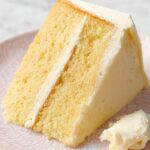
Velvety Vanilla Cake Recipe
- Prep Time: 10 minutes
- Cook Time: 30 minutes
- Total Time: 2 hours 10 minutes
- Yield: 12 servings
- Category: Dessert
- Method: Baking
- Cuisine: American
Description
A soft and fluffy vanilla cake with a rich American-style vanilla buttercream frosting, perfect for celebrations or everyday treats. This cake uses a blend of butter and vegetable oil for moistness and incorporates buttermilk for a tender crumb.
Ingredients
Vanilla Cake
- 2¼ cups (300 g) all purpose flour
- ¼ cup (25 g) cornstarch
- ½ tsp baking soda
- 1 tsp baking powder
- ½ tsp salt (omit if using salted butter)
- ½ cup (113 g) unsalted butter, room temperature
- ½ cup (105 g) unflavoured vegetable oil (canola recommended)
- 1⅔ cups (332 g) white granulated sugar
- 3 large eggs, room temperature
- 1¼ tbsp vanilla essence/extract
- 1 tsp white vinegar
- 1½ cups (337 g) buttermilk, room temperature
Vanilla Buttercream Frosting
- 1½ cups (340 g) unsalted butter, room temperature
- 3 cups (375 g) powdered sugar (icing/confectioners’ sugar)
- 1½ tsp vanilla essence/extract
- 1½ tbsp milk (heavy cream or whipping cream also okay)
Instructions
- Preheat Oven: Preheat your oven to 165 °C (330°F) with fan on. Grease and/or line two 8 inch cake tins.
- Mix Dry Ingredients: Sift together flour, cornstarch, baking soda, baking powder, and salt in a bowl. Whisk until combined and set aside.
- Cream Butter and Sugar: In another bowl, cream butter, vegetable oil, and sugar using an electric mixer for 2 minutes until light and creamy.
- Add Eggs: Add eggs one at a time, mixing well between each addition about 10-15 seconds.
- Add Flavoring and Buttermilk: Add vanilla, white vinegar, and half a cup of buttermilk to the mixture. Mix until fully combined.
- Fold Dry Ingredients and Buttermilk: Fold in half of the dry ingredients gently until just combined, then fold in remaining 1 cup buttermilk, and finally fold in remaining dry ingredients until just combined. Avoid overmixing to keep cake soft.
- Bake: Pour batter evenly into cake tins and bake for 30 minutes or until a toothpick inserted comes out clean.
- Cool Cakes: Let cakes cool in tins for 15-20 minutes, then transfer to a wire rack to cool completely before frosting.
- Prepare Frosting: In a stand mixer bowl, combine butter, powdered sugar, vanilla, and milk. Mix on low speed for 1 minute then on medium-high for 10 minutes, scraping bowl halfway.
- Frost Cake: Use the prepared vanilla buttercream to frost cooled cake layers as desired.
Notes
- Use cake flour (325 g total) as a substitute for all purpose flour and cornstarch for a lighter texture.
- If using a stand mixer, use the paddle attachment for initial mixing; finish folding in dry ingredients by hand.
- Gently fold ingredients to prevent gluten development and maintain cake softness; mix only until just combined.
- The vanilla buttercream is an American style frosting, sweeter than Swiss or French buttercream; reduce sugar for a less sweet option.
- If your oven lacks a fan function, increase baking temperature to 175°C (347°F) to compensate.
- Store-bought buttermilk gives best results; if using homemade substitute, reduce amount to about 1¼ cups (275 g).
Nutrition
- Serving Size: 1 slice (1/12 cake)
- Calories: 350 kcal
- Sugar: 30 g
- Sodium: 150 mg
- Fat: 20 g
- Saturated Fat: 12 g
- Unsaturated Fat: 7 g
- Trans Fat: 0 g
- Carbohydrates: 40 g
- Fiber: 1 g
- Protein: 4 g
- Cholesterol: 70 mg