Juicy Roasted Turkey Breast with Homemade Gravy Recipe
If you’ve ever wondered how to achieve the perfect roast turkey breast that’s bursting with flavor and stays incredibly tender, I’ve got just the thing for you. This Juicy Roasted Turkey Breast with Homemade Gravy Recipe is honestly one of my all-time favorites — it’s straightforward, forgiving, and results in a turkey breast that’s so juicy, your whole family will be asking for seconds. Plus, the homemade gravy? It’s rich, flavorful, and the perfect companion to soak up every bite. Stick around because I’m sharing my best tips and tricks to make sure you nail it every time.
Why This Recipe Works
- Simple Flavor Blend: The mix of butter, brown sugar, herbs, and smoked paprika creates a flavorful, moist crust that locks in juiciness.
- Gentle Roasting Temperature: Roasting at 350°F ensures even cooking without drying out the breast meat.
- Resting Time: Letting the turkey rest after roasting redistributes juices, keeping every slice tender and succulent.
- Fresh Homemade Gravy: Using the turkey drippings and a simple flour slurry creates a silky, flavorful gravy that complements the meat perfectly.

Ingredients & Why They Work
This recipe’s ingredient list is delightfully simple, but it’s all about the quality and the harmony of these flavors working together. Each component has its purpose, from seasoning the turkey just right to creating a gravy that’s full-bodied but smooth—so don’t rush your shopping trip, and pick fresh herbs and good-quality stock when you can!

- Bone-in Turkey Breast: The bone adds flavor and helps keep the meat juicy during roasting.
- Unsalted Butter: Softened butter mixed with spices forms a delicious crust and bastes the meat internally.
- Brown Sugar: Adds a touch of sweetness that balances the savoriness and helps caramelize the skin.
- Salt: Essential for seasoning and bringing out the natural flavors in the turkey.
- Black Pepper: Adds mild heat and depth.
- Smoked Paprika: Gives a subtle smoky richness without overpowering the dish.
- Dried Oregano: Brings an herby aroma that pairs wonderfully with poultry.
- Garlic Cloves: Fresh and minced, these boost flavor with a pungent kick.
- Fresh Herbs (for serving): Adds a bright, fresh finishing touch.
- Chicken or Turkey Stock: Key for your gravy’s richness and depth.
- All-Purpose Flour: Thickens the gravy smoothly when combined with stock.
Make It Your Way
One of my favorite parts about this Juicy Roasted Turkey Breast with Homemade Gravy Recipe is how easily it adapts to your personal style. I often tweak the seasoning depending on the occasion or mood — so don’t be shy to experiment with herbs or spices you love!
- Add Citrus Zest: For a bright, fresh twist, I sometimes add lemon or orange zest to the butter rub — it adds a lovely zing that contrasts beautifully with the savory notes.
- Spice it Up: If you like a bit of heat, a pinch of cayenne pepper or chili flakes in the butter mix brings a subtle warmth without overwhelming the turkey.
- Herb Swap: Rosemary, thyme, or sage are fantastic alternates to oregano, so feel free to customize based on what’s in your kitchen or garden.
- Gravy Variations: To deepen the gravy, I sometimes sprinkle in a splash of white wine or a dash of soy sauce — it’s a game-changer for complexity.
Step-by-Step: How I Make Juicy Roasted Turkey Breast with Homemade Gravy Recipe
Step 1: Prep and Room Temperature Magic
First off, bring the turkey breast out of the fridge and let it sit at room temperature for about 30 minutes before roasting. This helps it cook more evenly — no cold centers while the outside dries out! Meanwhile, soften your butter until it’s spreadable (room temperature butter is your friend here) and mix it with brown sugar, salt, pepper, smoked paprika, oregano, and minced garlic until it looks like a delicious paste.
Step 2: Butter Up That Turkey
Place the turkey breast on a wire rack inside a roasting pan or baking sheet. Here’s a little secret — carefully lift the skin with your fingers and spread some of that butter paste underneath it. This step infuses flavor directly into the meat and helps keep it moist. Don’t tear the skin though; gentle fingers win here!
Step 3: Roast to Juicy Perfection
Pop it in the oven at 350°F and roast it for roughly 90 minutes. Halfway through, rotate the pan for even browning. The magic number to hit with a meat thermometer is 165°F internal temperature — that ensures it’s fully cooked but still juicy. Once done, remove it, tent with foil, and let it rest for 30 minutes. Trust me, this rest period is what makes slicing so much easier and the meat more tender.
Step 4: Crafting Your Homemade Gravy
While the turkey rests (perfect timing!), pour the drippings through a fine mesh sieve into a bowl. Straining out the lumps will give you silky gravy. Warm the drippings in a saucepan over medium heat. Meanwhile, shake together your stock and flour in a shaker cup or jar until smooth — this slurry will help thicken your gravy without lumps.
Slowly whisk the slurry into the hot drippings, stirring constantly. This part needs patience — keep whisking and scraping the bottom of the pan to prevent burning. After about 10–20 minutes, the gravy should thicken nicely. Taste and season with salt and pepper, because that final seasoning really brightens and balances the flavors.
Tips from My Kitchen
- Butter Under the Skin: Don’t skip this! It’s the secret to juicy meat and crisp skin.
- Use a Meat Thermometer: I’ve ruined turkey before by overcooking; a thermometer keeps your roast perfect every time.
- Constant Whisking for Gravy: Stir often when making gravy to avoid lumps and burning on the bottom.
- Rest Your Turkey: Waiting those 30 minutes after roasting really makes the difference in texture and flavor.
How to Serve Juicy Roasted Turkey Breast with Homemade Gravy Recipe

Garnishes
I love garnishing with fresh parsley or thyme sprigs — they add gorgeous color and a subtle herbal aroma. A few thin lemon slices on the side brighten things up and pair nicely with the smoky paprika flavor. If you have fresh cranberries for the holidays, that pop of red makes the plate festive and inviting.
Side Dishes
This turkey shines brightest next to creamy mashed potatoes, roasted root vegetables like carrots and parsnips, and a crisp green salad. For a cozy meal, I often add fluffy dinner rolls and a tangy cranberry sauce — simple, classic, and always crowd-pleasing.
Creative Ways to Present
Hosting a special occasion? Try slicing the turkey breast and arranging it on a large platter, then drizzle with warm gravy and sprinkle chopped fresh herbs on top. I’ve even layered slices between fresh bread for an amazing open-faced sandwich spread at casual gatherings — all that juicy turkey and gravy just can’t be beat.
Make Ahead and Storage
Storing Leftovers
After your feast, wrap the turkey breast tightly with foil or place slices in an airtight container. I keep leftovers in the fridge for up to 3-4 days, which is plenty of time to enjoy the next-day flavors (and trust me, turkey often tastes better the next day!).
Freezing
If you want to freeze, slice the turkey first and store in freezer-safe bags with parchment paper between layers. I’ve frozen portions this way for up to 2 months. Just remember to thaw overnight in the fridge before reheating to keep the texture intact.
Reheating
For reheating, I recommend warming the turkey gently in the oven covered with foil at 300°F, adding a splash of broth to keep it moist. The gravy reheats beautifully on the stove with a little additional stock or water to loosen it up. Avoid the microwave if you can—it tends to dry out the meat.
FAQs
-
Can I use boneless turkey breast for this recipe?
Absolutely! Just keep in mind that boneless turkey breast cooks a bit faster and may dry out more easily, so reduce your cooking time and watch the internal temperature closely, aiming for 165°F.
-
What’s the best way to know when my turkey breast is done?
The key is an accurate meat thermometer inserted into the thickest part of the breast without touching the bone; once it reads 165°F, your turkey is perfectly cooked and safe to eat.
-
Can I make the gravy ahead of time?
You can prepare the gravy in advance using broth and flour, but for the fullest flavor, I recommend making it with fresh turkey drippings right after roasting. If you do make it earlier, reheat gently and adjust seasoning before serving.
-
How do I avoid dry turkey breast?
Letting the turkey come to room temperature before cooking, basting or rubbing it generously with butter under the skin, roasting at a moderate temperature, and resting it properly all help ensure juicy meat every time.
-
What can I use if I don’t have smoked paprika?
If you don’t have smoked paprika on hand, regular paprika or a tiny pinch of chipotle powder can work as substitutes, but the smoky depth might be a bit different. You can also simply leave it out and rely on the garlic and herbs for flavor.
Final Thoughts
This Juicy Roasted Turkey Breast with Homemade Gravy Recipe has been my go-to whenever I want something comforting, impressive, and totally delicious without hours in the kitchen. It’s a recipe I trust, whether for a casual family dinner or a small holiday gathering. I hope you enjoy making it just as much as I do, and that it becomes a favorite in your kitchen too. Trust me, once you get this juicy turkey and that perfectly silky gravy down, you’ll keep coming back to it again and again!
Print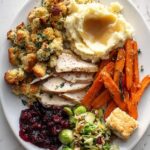
Juicy Roasted Turkey Breast with Homemade Gravy Recipe
- Prep Time: 30 minutes
- Cook Time: 1 hour 30 minutes
- Total Time: 2 hours 30 minutes
- Yield: 6 servings
- Category: Main Course
- Method: Roasting
- Cuisine: American
Description
This roasted turkey breast recipe delivers a juicy, flavorful centerpiece perfect for any holiday or family meal. Coated in a savory butter and spice mixture, then roasted to perfection, the turkey is complemented by a rich, homemade gravy made from the pan drippings and chicken stock. Easy to prepare and sure to impress, this dish serves 4 to 6 people.
Ingredients
Turkey and Seasoning
- 1 (3 to 4 pound) bone-in turkey breast
- 4 tablespoons unsalted butter, softened
- 1 tablespoon brown sugar
- 1 teaspoon salt
- 1 teaspoon black pepper
- ½ teaspoon smoked paprika
- ½ teaspoon dried oregano
- 2 garlic cloves, minced
- Fresh herbs, for serving
Gravy
- ¼ to ⅔ cup drippings from the turkey
- 16 ounces chicken or turkey stock
- 3 heaping tablespoons all-purpose flour
Instructions
- Preheat and prepare: Preheat your oven to 350 degrees F. Place a wire rack on a baking sheet or inside a roasting pan to allow even cooking and air circulation around the turkey breast.
- Prepare the turkey: Let the turkey breast sit at room temperature for 30 minutes to ensure even cooking. In a bowl, mix together the softened butter, brown sugar, salt, pepper, smoked paprika, dried oregano, and minced garlic until fully combined into a spreadable paste.
- Apply the seasoning: Place the turkey breast on the rack and rub the butter mixture all over the turkey, carefully lifting some of the skin and spreading the mixture underneath to flavor the meat directly.
- Roast the turkey: Roast the turkey breast in the preheated oven for about 90 minutes, rotating the pan once during cooking to ensure even roasting. Cook until the internal temperature reaches 165 degrees F for safe and juicy meat.
- Rest the turkey: Remove the turkey from the oven and let it rest for 30 minutes before slicing. This allows juices to redistribute for a moist texture.
- Make the gravy: Pour the drippings through a fine mesh sieve into a bowl to remove large bits. Heat the strained drippings over medium heat in a saucepan. In a shaker cup, combine the chicken or turkey stock with the flour and shake vigorously to form a smooth slurry.
- Thicken the gravy: Slowly whisk the slurry into the hot drippings, stirring continuously to prevent lumps. Continue whisking and scraping the bottom of the pan for 10 to 20 minutes until the gravy thickens to a desirable consistency.
- Season and serve: Taste the gravy and season with additional salt and pepper if needed. Keep the gravy over low heat and stir often until serving.
- Store leftovers: Refrigerate any leftover gravy for up to one week. To reheat, warm it gently in a saucepan with a splash of water or stock, stirring occasionally until smooth and heated through.
Notes
- Allowing the turkey to come to room temperature before roasting promotes even cooking.
- Gently lift the skin when applying the butter mixture for maximum flavor without tearing the skin.
- Use a meat thermometer to ensure the turkey reaches a safe internal temperature of 165 degrees F.
- Continuous stirring is crucial when making gravy to avoid lumps and prevent burning.
- Gravy often tastes better the next day after the flavors have melded, so consider making it in advance.
- For gluten-free gravy, substitute all-purpose flour with cornstarch or a gluten-free flour blend and adjust liquid ratios as needed.
- Fresh herbs added at serving enhance presentation and provide a burst of freshness.
Nutrition
- Serving Size: 1 serving (approx. 6 ounces turkey with gravy)
- Calories: 450 kcal
- Sugar: 3 g
- Sodium: 600 mg
- Fat: 28 g
- Saturated Fat: 12 g
- Unsaturated Fat: 14 g
- Trans Fat: 0 g
- Carbohydrates: 12 g
- Fiber: 1 g
- Protein: 40 g
- Cholesterol: 125 mg