Garlic Rosemary Focaccia Bread Recipe
If you’ve been on the hunt for a focaccia recipe that’s bursting with flavor and has that perfect golden crust, you’re in the right place. This Garlic Rosemary Focaccia Bread Recipe is honestly one of my all-time favorites—it’s aromatic, tender, and absolutely irresistible fresh from the oven. I’m excited to share it with you because once you try it, you’ll have a new go-to bread that’s perfect for everything from weeknight dinners to weekend gatherings.
Why This Recipe Works
- Perfect Yeast Activation: Using warm water in the 105°F to 115°F range ensures your yeast wakes up just right for a beautiful rise.
- Roasted Garlic: Baking the garlic softens its bite and adds a mellow, sweet depth to the dough and topping.
- Olive Oil Magic: Brushing olive oil generously keeps the focaccia moist and helps develop that stunning golden crust.
- Simple Ingredients, Big Flavor: Fresh rosemary and coarse salt bring out rustic, herbaceous notes that make this focaccia unforgettable.

Ingredients & Why They Work
Every ingredient here plays a role in creating that classic focaccia texture and flavor. When shopping, I recommend picking the freshest rosemary sprigs you can find, and definitely use good-quality olive oil—it really makes a difference!

- Warm water: Essential for activating the yeast without killing it; the right temperature jumpstarts fermentation.
- Granulated sugar: Feeds the yeast and helps with browning the crust.
- Instant yeast: No need to proof separately; just mix and watch the dough rise.
- All-purpose flour: Provides the perfect balance for a tender but sturdy crumb.
- Salt: Enhances all the flavors, especially balancing the sweetness of roasted garlic.
- Olive oil: Used both in dough and for brushing, it adds moisture and richness.
- Fresh rosemary: Offers that iconic piney, woodsy herb flavor, fresh always beats dried here.
- Garlic bulbs: Roasted to bring out mellow, sweet notes that infuse the bread throughout.
- Coarse salt (topping): Adds bursts of savory crunch and an eye-catching finish.
Make It Your Way
I love the classic garlic and rosemary combo here, but one of the things that make this Garlic Rosemary Focaccia Bread Recipe so versatile is how easily you can tweak it to your taste. Don’t be shy—add a little extra garlic if you’re like me and can’t get enough, or swap in other herbs when rosemary isn’t around.
- Variation: Sometimes I mix in some caramelized onions instead of roasted garlic for a sweeter twist—trust me, it’s divine.
- Dietary tweak: Use a gluten-free flour blend and a bit more olive oil for a gluten-free version; just keep an eye on the dough consistency.
- Seasonal changes: Top with fresh thyme or sage in fall for an earthy flavor change that’s perfect with soups.
- Spicy kick: Add chili flakes on top with the rosemary for a little heat that wakes up your palate.
Step-by-Step: How I Make Garlic Rosemary Focaccia Bread Recipe
Step 1: Activate the Yeast
First things first, heating the water to between 105°F and 115°F is super important. I always use a kitchen thermometer to make sure it’s just right—not too hot to kill the yeast, not too cold to slow it down. Add your sugar and instant yeast, stir gently, and then give it about 5 minutes to get frothy. When you see that foamy top, you know your yeast is alive and ready.
Step 2: Roast the Garlic
While the yeast is doing its thing, pop the peeled garlic cloves into a small skillet and roast them at 350°F for around 30 minutes. This softens the garlic, turning it sweet and mellow without that harsh raw bite. Once roasted, chop half to mix into the dough for subtle garlicky bursts, and keep the rest for decorating the top later—this layering of garlic flavor really sets this focaccia apart.
Step 3: Mix the Dough
Next, measure your flour carefully—you want to use the spoon and level method to avoid packing it too tightly, which can make your bread dense. Toss the flour, salt, a quarter cup of olive oil, and chopped roasted garlic into the bowl of your stand mixer fitted with the dough hook. Slowly pour in your yeast mixture and start mixing on low speed, then turn it up to medium once combined. After about 5 minutes, you want a soft dough that pulls away from the sides but isn’t sticky to the touch. If it’s sticky, add a tablespoon or two more flour.
Step 4: Let the Dough Rise
Transfer your dough to a large bowl greased with olive oil—this keeps it from sticking as it rises. Brush the top lightly with more olive oil, then cover with plastic wrap. Find a warm spot in your kitchen and let it rise for about 1½ hours. You’ll know it’s ready when it’s doubled in size—a nice puffy pillow of dough that feels springy to the touch.
Step 5: Shape and Second Rise
Preheat your oven to 400°F. Drizzle plenty of olive oil onto a 9×13” baking sheet and pour your dough onto it. Use your fingers to gently press and stretch the dough evenly across the sheet. Cover it again with plastic wrap and let it rest in a warm spot for another 30 minutes. This second rise guarantees that lovely airy crumb inside.
Step 6: Final Touches and Bake
Once your dough has puffed up again, it’s time to create those signature dimples by poking your fingertips evenly over the surface. Brush liberally with olive oil, sprinkle the remaining roasted garlic cloves and rosemary needles across the top, then finish with a pinch of coarse salt for texture and flavor. Bake on the middle rack for about 20 minutes until the edges are golden brown and irresistible. Pull it out and brush one last time with olive oil for a glossy finish.
Tips from My Kitchen
- Warm Spot for Rising: If your kitchen is cold, I place the dough bowl inside the oven with just the oven light on—it’s perfect for a gentle, consistent warmth.
- Don’t Skip the Dimples: Those little indentations aren’t just for looks—they trap olive oil and flavor right into the bread.
- Use Fresh Rosemary: I’ve found dried rosemary can sometimes be too overpowering and scratchy, so fresh is my go-to for this recipe.
- Handle Dough Gently: Resist the urge to overwork the dough when shaping—it’s the key to a soft, airy focaccia crumb.
How to Serve Garlic Rosemary Focaccia Bread Recipe

Garnishes
I like to finish my focaccia with just a sprinkle of flaky sea salt and a light drizzle of good-quality extra virgin olive oil right before serving. Sometimes, a few fresh rosemary needles on top add a fresh herbal punch that makes every bite pop.
Side Dishes
This focaccia pairs wonderfully with a big bowl of tomato basil soup, a colorful salad tossed in tangy vinaigrette, or alongside a rich charcuterie board. I’ve also served it with my favorite homemade hummus or drizzled with balsamic glaze for an easy appetizer.
Creative Ways to Present
For a dinner party, I like cutting the focaccia into bite-sized squares and serving them stacked on a pretty wooden board with small bowls of flavored olive oils and dipped cheeses around. It’s always a crowd-pleaser and looks way fancier than the effort it takes!
Make Ahead and Storage
Storing Leftovers
I usually wrap any leftover focaccia in plastic wrap or foil and keep it at room temperature for up to two days—focaccia is best fresh but this keeps it fairly soft.
Freezing
To freeze, slice the cooled focaccia and wrap individual portions tightly in freezer-safe bags. I’ve found you can freeze it for up to 3 months and still enjoy a freshly baked taste when reheated.
Reheating
The best way I’ve reheated leftover focaccia is by warming it in a 350°F oven for about 5-7 minutes, uncovered. This revives the crust’s crispness while softening the inside just enough to taste fresh-baked.
FAQs
-
Can I make this Garlic Rosemary Focaccia Bread Recipe without a stand mixer?
Absolutely! You can mix and knead the dough by hand. It might take a bit more elbow grease—knead for about 10 minutes until you have a smooth, elastic dough. Just make sure the dough isn’t too sticky, and give it the same rising time for best results.
-
How do I store leftover focaccia to keep it soft?
Wrap it tightly in plastic wrap or foil and keep it at room temperature. Avoid the fridge if possible since that can dry the bread out. If you plan to keep it longer, freezing is your best bet.
-
Can I use dried rosemary instead of fresh in this recipe?
You can, but fresh rosemary provides a more vibrant, aromatic flavor. If you use dried, use about a third of the amount and add it earlier in the cooking process for the best flavor.
-
Is this recipe suitable for beginners?
Definitely! The steps are straightforward, and with a little patience during rising, even novice bakers can achieve tasty, impressive results.
Final Thoughts
This Garlic Rosemary Focaccia Bread Recipe is a staple in my kitchen because it’s so satisfying to bake and even better to share. The aroma alone will make your house feel cozy, and the taste? Well, it always earns compliments. I hope you enjoy baking it as much as I do—once you do, I guarantee you’ll want to keep this recipe on speed dial for any bread craving.
Print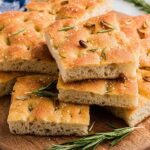
Garlic Rosemary Focaccia Bread Recipe
- Prep Time: 10 minutes
- Cook Time: 20 minutes
- Total Time: 2 hours 30 minutes
- Yield: 8 servings
- Category: Bread
- Method: Baking
- Cuisine: Italian
- Diet: Vegetarian
Description
This Garlic Rosemary Focaccia recipe delivers a fragrant and flavorful Italian flatbread perfect as an appetizer or a side dish. Made with warm water, instant yeast, all-purpose flour, olive oil, fresh rosemary, and roasted garlic, it features a soft, airy texture topped with aromatic garlic and coarse salt for a perfect savory bite.
Ingredients
Dough Ingredients
- 1-1/3 cups warm water (105°F to 115°F)
- 2 teaspoons granulated sugar
- 1 ounce instant yeast (2-¼ teaspoons)
- 3-3/4 cups all-purpose flour (480g)
- 2 teaspoons salt
- 1/4 cup olive oil
- 1/2 cup olive oil (divided use)
- 1/2 of roasted garlic cloves (from 2 whole garlic bulbs)
Topping Ingredients
- Remaining roasted garlic cloves (from 2 whole garlic bulbs)
- 3 sprigs fresh rosemary (small leaves chopped)
- Coarse salt for sprinkling
Instructions
- Activate Yeast: Use a thermometer to ensure the water temperature is between 105°F and 115°F. In a bowl, combine the warm water, granulated sugar, and instant yeast. Let it sit for 5 minutes until it froths to activate the yeast.
- Roast Garlic: Preheat oven to 350°F. Place peeled garlic cloves from 2 whole bulbs in a small skillet and bake for 30 minutes until soft and fragrant. Chop half the roasted garlic to add to the dough and reserve the rest for topping.
- Prepare Dough Mixture: In a stand mixer bowl fitted with a dough hook, combine 3-3/4 cups all-purpose flour (measured by spoon and level), salt, 1/4 cup olive oil, and the chopped roasted garlic cloves.
- Mix Dough: Slowly pour the yeast mixture into the flour mixture while mixing on low speed. Once combined, increase to medium speed and knead for about 5 minutes until the dough pulls away from the bowl and is no longer sticky. Add flour if necessary to achieve this consistency.
- First Rise: Transfer the dough to a large bowl greased with olive oil. Brush the dough top with olive oil, cover with plastic wrap, and let it rise in a warm place for 1 hour and 30 minutes or until doubled in size.
- Prepare for Second Rise: Preheat the oven to 400°F. Grease a 9×13 inch baking sheet with olive oil. Transfer the risen dough onto the sheet and use your fingers to spread it evenly to cover the entire sheet. Cover with plastic wrap and let rise for 30 minutes in a warm place.
- Dimple Dough & Add Toppings: After the dough has risen again, poke holes evenly all over with your fingers. Brush generously with olive oil, sprinkle with reserved roasted garlic cloves, chopped fresh rosemary leaves, and coarse salt.
- Bake: Place the baking sheet on the middle oven rack and bake for about 20 minutes until golden brown.
- Finish: Remove focaccia from the oven and brush lightly with olive oil for extra flavor and shine. Let cool slightly before slicing and serving.
Notes
- Ensure water temperature is between 105°F and 115°F to properly activate the yeast.
- Measure flour using the spoon and level method to avoid adding too much flour and ending with a dense bread.
- If dough feels sticky after mixing, add flour gradually until it pulls away from the bowl and is smooth.
- Use fresh rosemary leaves instead of woody stems for toppings.
- Roasting the garlic mellow and softens the flavor; do not skip roasting for best taste.
- Dimpling the dough before baking creates the characteristic focaccia texture.
- The olive oil used in the dough and for brushing is crucial for authentic moist and flavorful focaccia.
Nutrition
- Serving Size: 1 slice
- Calories: 210 kcal
- Sugar: 1 g
- Sodium: 320 mg
- Fat: 10 g
- Saturated Fat: 1.5 g
- Unsaturated Fat: 8 g
- Trans Fat: 0 g
- Carbohydrates: 26 g
- Fiber: 1.5 g
- Protein: 5 g
- Cholesterol: 0 mg