Croissant Loaf Bread Recipe
If you’ve ever dreamed of biting into a loaf that’s as flaky and buttery as a croissant but shaped like a classic bread loaf, you’re in for a treat. This Croissant Loaf Bread Recipe brings together the best of both worlds—flaky layers, a soft crumb, and a golden crust that’ll make your kitchen smell like a French bakery. Whether you’re a seasoned baker or just feeling adventurous, this recipe is absolutely fan-freaking-tastic and well worth the effort. So, come on—let’s dive in! I promise you’ll love it.
Why This Recipe Works
- Layered Flaky Texture: The lamination process folds butter into the dough multiple times creating irresistible, delicate layers.
- Buttery Flavor Balance: Using salted butter for lamination and softened butter in the dough gives you both richness and control over seasoning.
- Manageable Rising Times: Thoughtful resting and chilling steps make this complex loaf approachable even if you’re fairly new to yeast baking.
- Versatile Dough: You can customize the dough with spices or fillings—I’ve tried cinnamon sugar with great results!

Ingredients & Why They Work
Every ingredient has its role in this Croissant Loaf Bread Recipe, and understanding why helps you bake with confidence. From the creamy whole milk that feeds the yeast to the precise butter temperature for lamination, these details truly elevate the final loaf. Let’s take a quick look at what you need and why each one matters.
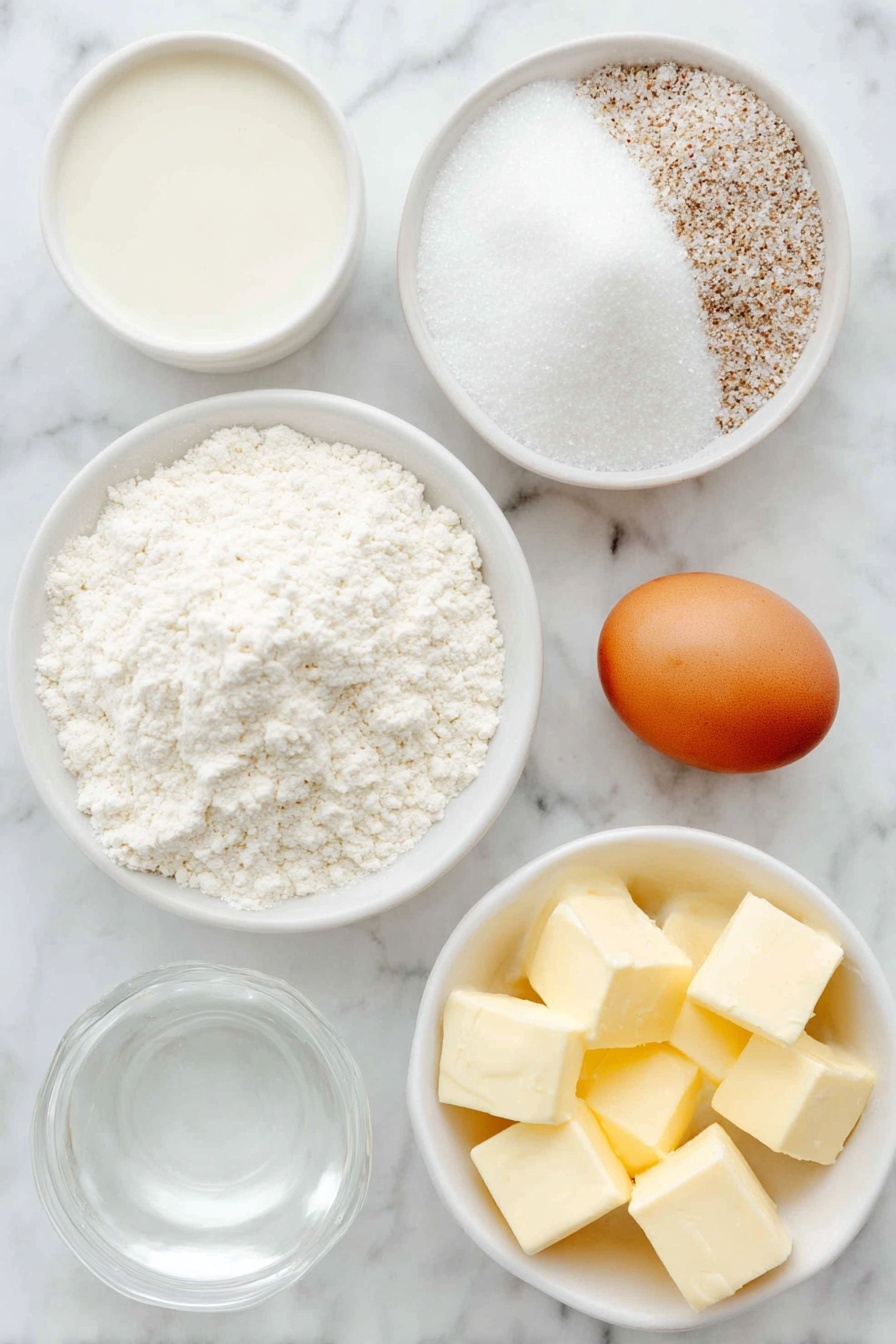
- Whole Milk: Warmed milk activates your yeast gifts your dough a tender crumb and subtly sweet flavor.
- Instant or Active Dry Yeast: The workhorse that makes your dough rise beautifully and develop aromatic notes.
- Granulated Sugar: Feeds the yeast while contributing to that slight sweetness to balance buttery richness.
- Salt: Enhances flavor and controls yeast activity to prevent over-proofing.
- Butter (For Dough): Softened butter enriches dough, making it tender—feel free to use salted or unsalted here.
- All-Purpose Flour: The foundation of your loaf; measure carefully for that perfect dough consistency.
- Salted Butter (For Lamination): This butter is the star of the flaky layers. Temperature matters here — too soft or too cold can throw off your lamination.
- Egg and Water (Egg Wash): Brushing on egg wash adds that gorgeous golden shine and enticing crust texture.
Make It Your Way
I always encourage you to put your own spin on this Croissant Loaf Bread Recipe. I’ve played around with fillings and even tried different kinds of butter and milks. Trust me, a little customization can keep this recipe exciting and tailor it to your taste buds.
- Variation: I once tried sprinkling cinnamon sugar inside before rolling up the loaf. It was a hit for our Sunday brunch with a subtle hint of spice and sweetness.
- Dairy Alternatives: Substitute whole milk with oat or almond milk if you need a dairy-free option—in my tests, it still works but your dough might rise a bit slower.
- Flour Variations: While all-purpose flour is ideal, blending in a bit of bread flour can add chew if you like a slightly denser texture.
- Filling Ideas: Adding finely chopped nuts or chocolate chips inside the layers creates a decadent surprise without making the dough soggy.
Step-by-Step: How I Make Croissant Loaf Bread Recipe
Step 1: Activate Your Yeast for Success
I start by whisking warm whole milk with yeast and sugar right in my mixer bowl. Within about five minutes, you’ll see it bloom—nice foamy bubbles on top. That’s your cue the yeast is lively and ready to work its magic. If you don’t have a stand mixer, no worries—just mix by hand with a wooden spoon; it’s a bit sticky but manageable.
Step 2: Mix and Knead to Build the Dough
Next, add salt, butter cut into small pieces, and most of the flour. Beat on medium speed to bring everything together, then add remaining flour until the dough pulls away from the sides but is still soft. I always keep a bit extra flour nearby to avoid a sticky mess, but remember: less is more to keep that tenderness. Kneading for about 5 minutes (machine or by hand) develops gluten for structure. A simple poke test or the windowpane stretch test helps you judge dough readiness—if it stretches thin without tearing, you’re good to go!
Step 3: First Rise – Patience is Key
After kneading, lightly oil a bowl and place your dough in it, turning to coat evenly. Cover and let it rest in a warm spot until it nearly doubles, which usually takes about 1.5–2 hours. I like to set mine near the oven or on top of the fridge—just warm enough to encourage growth but not too hot to kill the yeast.
Step 4: Chill & Flatten Before Laminating
Now it’s time to punch down the dough and shape it into a rough rectangle. I use a silicone baking mat on a baking sheet—it’s a game-changer for rolling dough. After flattening to about 10×14 inches, cover and chill for exactly 20 minutes. This resting step lets the gluten relax so the dough is easier to roll and fold during lamination.
Step 5: Laminate Like a Pro
Your lamination butter needs to be pliable but not meltdown-soft—think spreadable, like good room temp but firm. Layer that butter right down the center third of your dough, fold the edges over just like wrapping a letter, pinch to seal, then roll out gently. After folding a few times and chilling between every fold, you create those iconic, flaky layers. I follow the process carefully so the dough stays cool and cooperative.
Step 6: Shape, Rise, and Bake
Once your final lamination is done, roll it up like a jelly roll and cut into five pieces. Arrange them in a greased loaf pan, cover tightly, and let them rise again until puffy—about 45 to 60 minutes. Don’t rush this part; your croissant loaf will be fluffier for it. When ready, brush on the egg wash for that irresistible shine, bake at 350°F (177°C) for 1 hour, tenting with foil halfway through to prevent burning. The secret to success: check with a thermometer—the loaf is perfect at 195°F (90°C) inside.
Tips from My Kitchen
- Butter Temperature Matters: I use a kitchen thermometer to make sure the lamination butter and dough both rest around 60°F; that balance makes rolling so much easier.
- Pat Dough Instead of Rolling Initially: When shaping the dough before lamination, gently stretch with your hands instead of rolling to avoid tearing.
- Use a Silicone Baking Mat: It prevents dough from sliding around and makes rolling easier—plus cleanup is a breeze.
- Don’t Skip Chilling Steps: Each refrigeration period relaxes gluten and firms butter to keep those layers flaky, so follow those times to the minute.
How to Serve Croissant Loaf Bread Recipe

Garnishes
When I serve this croissant loaf, a simple splash of softened butter or good-quality jam does wonders. Sometimes, I sprinkle sea salt flakes on top just after egg washing if I want a savory touch that balances the richness. Fresh herbs like rosemary work beautifully too if you’re aiming for a brunch vibe.
Side Dishes
I love pairing this loaf with fresh fruit, creamy cheese spreads, or scrambled eggs for a weekend breakfast. For dinner, it’s perfect alongside hearty soups or a light salad. The croissant loaf’s buttery layers soak up sauces and dressings wonderfully, making every bite a delight.
Creative Ways to Present
For special occasions, I sometimes arrange individual rolls in a circular pan to create a pull-apart bread centerpiece. Another fun idea is slicing thick pieces and making elevated breakfast sandwiches with smoked salmon or ham and cheese. The flaky texture always surprises guests and makes the meal feel special.
Make Ahead and Storage
Storing Leftovers
Leftover croissant bread keeps well when wrapped tightly at room temperature for up to 3 days. I’ve found storing it in a paper bag inside a sealed container helps maintain the crunch of the crust while keeping the crumb moist. If you have more time, refrigeration extends freshness up to a week but may slightly dry the crust.
Freezing
Freezing leftover croissant loaf is a lifesaver. I slice the loaf first, then freeze pieces in airtight bags separated by parchment paper to prevent sticking. When I’m ready for a treat, I pull out slices and thaw on the counter or in the fridge overnight. This way, you can enjoy fresh taste on your schedule without wasting any of this deliciousness.
Reheating
To revive leftover croissant loaf, I prefer warming it in a toaster oven or regular oven at 325°F for 8–10 minutes. This revives the flaky layers and fresh-baked aroma better than a microwave, which tends to make it soggy. A quick brush of melted butter before warming adds extra shine and moisture.
FAQs
-
Can I make this Croissant Loaf Bread Recipe without a stand mixer?
Absolutely! While a stand mixer makes kneading easier, you can mix the dough by hand using a wooden spoon and then knead it on a lightly floured surface for about 5 minutes. It might be a bit sticky, but steady folding and pressing helps develop the gluten just fine.
-
How important is the butter temperature for lamination?
It’s crucial! Butter that’s too cold will crack and tear the dough, while butter that’s too soft will melt into the dough instead of creating layers. Ideally, both the dough and butter should be about the same temperature—around 60°F (15°C)—for smooth lamination.
-
Can I add sweet or savory fillings to the Croissant Loaf Bread Recipe?
Yes! Dry fillings like cinnamon sugar, chopped nuts, or chocolate chips work well layered inside. Be cautious with wet fillings like jam as they can make the dough soggy and affect baking. I recommend spreading a thin layer and avoiding too much moisture.
-
How long does this croissant loaf bread last?
Fresh, stored at room temperature, it lasts up to 3 days when covered well, and up to 1 week refrigerated. For longer storage, freeze slices up to 3 months and thaw before enjoying.
Final Thoughts
Honestly, this Croissant Loaf Bread Recipe is one of those baking projects that feels fancy but is totally achievable when you take it step by step. I’ve made it countless times for family gatherings, brunches, and cozy morning coffees. The flaky, buttery layers remind me of Paris mornings but with the comfort of home-baked bread. Give it a shot—you’ll impress yourself and anyone you share it with. Plus, the smell alone makes the time invested absolutely worth it. Happy baking, friend!
Print
Croissant Loaf Bread Recipe
- Prep Time: 4 hours 45 minutes
- Cook Time: 1 hour
- Total Time: 6 hours 30 minutes
- Yield: 1 loaf
- Category: Bread
- Method: Baking
- Cuisine: French
Description
This Croissant Bread Loaf recipe combines the flaky, buttery layers of classic croissants with the convenience of a loaf form. Using a laminated dough technique with multiple folds and rests, this bread offers a tender, airy crumb and a golden, crisp crust. Perfect for slicing and enjoying as breakfast, snack, or alongside your favorite meal.
Ingredients
Dough
- 1 cup whole milk, warmed to about 110°F (43°C)
- 2 and 1/4 teaspoons instant or active dry yeast (1 standard packet)
- 3 Tablespoons granulated sugar
- 1 and 1/4 teaspoons salt
- 3 Tablespoons unsalted or salted butter, softened to room temperature and cut into 3 equal pieces
- 3 cups all-purpose flour, plus more as needed and for lamination
Lamination
- 3/4 cup salted butter, slightly softened (about 12 tablespoons)
Egg Wash
- 1 large egg
- 1 Tablespoon water
Instructions
- Prepare the dough: Whisk the warm milk, yeast, and sugar together in the bowl of a stand mixer fitted with a dough hook. Cover and allow mixture to sit for about 5 minutes until foamy. Add salt, butter, and 2 cups of flour. Beat on medium speed for 2 minutes, scraping bowl as needed. Add remaining flour and beat on low until soft dough forms and pulls away from sides. Add 2–3 tablespoons more flour if too sticky.
- Knead the dough: Beat dough in mixer for an additional 5 minutes or knead by hand on floured surface until smooth and elastic. Dough should be soft and pass the windowpane test, slowly bouncing back when poked.
- First rise: Lightly grease a large bowl, place dough inside, turn to coat, cover, and let rise in a warm place for 1.5–2 hours until nearly doubled in size.
- Flatten dough and chill: Punch down dough and place on a floured or silicone mat-lined baking sheet. Gently flatten into a 10×14-inch rectangle. Cover and refrigerate for 20 minutes.
- Prepare lamination butter: Slice salted butter into 1/4-inch thick pieces and ensure it is pliable but not too soft, around 60°F (15°C).
- First lamination: Remove dough from fridge, lay butter along center third of dough length, fold edges over butter like a business letter, pinch ends to seal. Rotate and roll out to 9×12 inches rectangle, fold edges over again like business letter. Cover and refrigerate 20 minutes.
- Second and third laminations: Remove from fridge, rotate dough, roll out to 9×12 inches, fold like business letter. Repeat rolling and folding one more time. Cover and refrigerate 20 minutes.
- Final lamination and shaping: Remove from fridge, roll out to 9×12 inches, fold edges like a business letter one last time, roll out again to 9×12 inches. From 9-inch side, roll dough tightly into a log. Cut into 5 even rolls.
- Second rise: Grease 9×5 inch loaf pan. Place rolls seam side down in pan. Cover tightly and let rise for 45–60 minutes until slightly puffy.
- Preheat oven and egg wash: Preheat oven to 350°F (177°C). Whisk egg and water to make egg wash. Generously brush risen loaf with egg wash.
- Bake the loaf: Bake for 1 hour until golden brown, loosely tent with foil after 25 minutes to prevent over-browning. Bread is done when center registers 195°F (90°C) on instant-read thermometer.
- Cool the bread: Remove loaf from oven, place loaf pan on wire rack, cool 30 minutes in pan. Run knife around edges and remove bread from pan. Cool at least 15 more minutes on wire rack before slicing.
Notes
- Overnight dough option: After shaping (step 10), cover shaped rolls tightly and refrigerate up to 15 hours. Remove 1–2 hours before baking to rise at room temperature.
- Freezing dough: Freeze shaped dough after step 10 (up to 3 months). Thaw in refrigerator for at least 3 hours, then rise at room temperature before baking.
- Butter for lamination should be pliable but not greasy or overly soft; ideally around 60°F (15°C) to match dough temperature for easy rolling.
- Use whole milk for best results but lower-fat or non-dairy milk can be substituted; avoid nonfat milk.
- You can add dry fillings like cinnamon sugar, chopped nuts, or chocolate chips before rolling in step 10. Wet fillings like jam are not recommended due to excess moisture.
- If dough is sticky while kneading or rolling, sprinkle lightly with flour but avoid adding too much to prevent dryness.
- Do not extend refrigeration times during lamination steps to avoid over-expansion of dough.
- Recommended tools: Stand mixer or large mixing bowl and wooden spoon, silicone baking mat, rolling pin, loaf pan, pastry brush, instant-read thermometer, cooling rack.
Nutrition
- Serving Size: 1 slice (approx. 1/5 loaf)
- Calories: 280 kcal
- Sugar: 6 g
- Sodium: 220 mg
- Fat: 16 g
- Saturated Fat: 10 g
- Unsaturated Fat: 5 g
- Trans Fat: 0 g
- Carbohydrates: 28 g
- Fiber: 1.5 g
- Protein: 6 g
- Cholesterol: 50 mg