Crispy Gochujang Korean Tofu Recipe
Alright, if you’re craving that perfect balance of *crispy* and *spicy-sweet*, you’ve got to try this Crispy Gochujang Korean Tofu Recipe. It’s one of those dishes that’s just as satisfying for weeknight dinner as it is for impressing friends on the weekend. I remember the first time I made it—it transformed my view on tofu entirely. Crispy edges, a sticky, flavorful sauce, and all without spending hours in the kitchen. Stick with me here because I’m going to walk you through every step to get it just right.
Why This Recipe Works
- Perfectly Crispy Tofu: Baking the tofu without touching pieces makes all the difference for achieving that coveted crunch.
- Balanced Bold Sauce: Gochujang adds spicy depth, balanced perfectly by honey and sesame oil for sweet and nutty notes.
- Simple Yet Flavorful: Minimal fuss with pantry-friendly ingredients, ideal for both weeknight dinners and meal prep.
- Versatile Serving Options: This tofu shines on its own, with rice bowls, or tossed in salads—making it your new kitchen MVP.

Ingredients & Why They Work
The magic to this Crispy Gochujang Korean Tofu Recipe lies in the harmony between a crunchy tofu base and a sticky, flavorful gochujang sauce. Every ingredient plays its role, so choosing good quality tofu and authentic Korean chili paste will get you the best result. Here’s what I use and why.

- Extra firm tofu: This type holds up best during baking and crisping—you don’t want soft tofu here or it’ll fall apart.
- Tamari or soy sauce: Adds deep umami flavor; I prefer low sodium versions to control saltiness.
- Cornstarch: Crucial for that crispy coating, it helps dry out the tofu exterior and absorb breadcrumbs.
- Gluten free or regular breadcrumbs: Gives extra crunch and texture to the tofu cubes.
- Gochujang (Korean chili paste): The star spicy-sweet flavor—be sure to check it’s gluten free if needed.
- Tomato paste: Adds richness and depth to the sauce without overpowering the gochujang flavor.
- Vegetable broth or water: Thins the sauce just enough for easy tossing.
- Honey (or maple syrup for vegan): Balances out the heat with a touch of natural sweetness.
- Toasted sesame oil: Brings a toasty, nutty aroma and flavor to the sauce that’s classic Korean.
- Rice vinegar: Offers a bright counterpoint to the sweet and spicy elements.
- Minced garlic and fresh grated ginger: They amp up the savory and fresh notes, making the sauce irresistible.
Make It Your Way
One of the joys of this Crispy Gochujang Korean Tofu Recipe is how flexible it is. I like to customize it depending on what’s in season or what I have on hand, and honestly, the sauce is forgiving enough to experiment with.
- Vegan swap: I swap honey for maple syrup whenever friends with vegan diets join me, and honestly, I can’t tell the difference!
- Extra crunch: I’ve sometimes panko breadcrumbs instead of traditional ones for a lighter, airier crunch that’s irresistible.
- Heat level: Adding a pinch of extra chili flakes or a dash of sriracha amps up the spice if you love things hotter.
- Protein power: Sometimes I toss roasted chickpeas on the side to bulk up the meal—it’s a simple way to mix textures.
Step-by-Step: How I Make Crispy Gochujang Korean Tofu Recipe
Step 1: Press & Prepare Your Tofu
Start by draining your 16-ounce block of extra firm tofu. I wrap mine in a clean kitchen towel and gently press it under a heavy pan for about 10 minutes—this removes excess moisture, which is key to getting crispy edges. Then cut the tofu into roughly 1-inch cubes so they bake evenly. Trust me, this pressing step is a game changer; skipping it can leave you with soggy tofu.
Step 2: Coat Tofu in Seasonings & Crunch
Next, toss the tofu cubes with a tablespoon of tamari or soy sauce to add umami right to the core, then sprinkle with cornstarch and finally roll them in gluten free or regular breadcrumbs. This combo forms a perfect crispy shell once baked. Be sure to coat each cube evenly—you don’t want dry spots! Don’t crowd them on the baking sheet; give each cube its own space to crisp up well.
Step 3: Bake to Crispy Perfection
Place tofu cubes on a parchment-lined baking sheet and bake at 400°F for 25 minutes. Around halfway through, I like to peek in and rotate the tray or flip the cubes for even browning—this is optional but helps if your oven runs unevenly. Then turn off the oven but leave tofu inside for another 5 minutes. This little trick lets the tofu dry out more, upping the crisp factor.
Step 4: Whip Up That Awesome Gochujang Sauce
While your tofu’s baking, whisk together the sauce ingredients in a small pot: tamari, gochujang, tomato paste, broth, honey, sesame oil, rice vinegar, garlic, and ginger. Mix cornstarch with water separately, then add it and heat the mixture over low to medium heat until it bubbles and thickens—this will take just a few minutes. Remove from heat and let it thicken even more while tofu finishes baking.
Step 5: Toss & Serve
Once your tofu has cooled for about 5 minutes, gently toss half the sauce with it so each piece gets nicely coated without getting soggy. Reserve the rest for drizzling at the table. I like to serve mine over rice with fresh cucumber, carrots, avocado slices, and a sprinkle of sesame seeds for crunch and freshness. It’s also fantastic simply paired with steamed broccoli or tossed into a salad for an easy meal.
Tips from My Kitchen
- Don’t Skip Pressing: Pressing the tofu is the secret to crispiness, so even if you’re short on time, try to squeeze in 10 minutes.
- Space to Crisp: Give tofu cubes breathing room on the baking sheet—crowding causes steaming, not crisping.
- Adjust Sweetness & Heat: Taste your sauce before thickening and tweak honey or gochujang levels to match your spice comfort zone.
- Serve Quickly: The tofu is best fresh out of the oven and tossed in sauce—waiting too long will soften the crisp.
How to Serve Crispy Gochujang Korean Tofu Recipe

Garnishes
I love to top my tofu bowls with toasted sesame seeds—they add such an inviting crunch and a pop of nutty flavor. Sometimes I throw on thinly sliced scallions or chopped cilantro for freshness. If you want a little extra flair, sprinkle some toasted seaweed flakes or drizzle a bit of extra sesame oil right before serving.
Side Dishes
This tofu pairs beautifully with steamed jasmine or sticky rice to soak up the sauce. For veggies, I usually steam or roast broccoli, sauté some bok choy with garlic, or toss a quick cucumber salad to balance the heat with cool crunch. If you’re in comfort food mode, throw together some kimchi on the side for that punch of fermented tang.
Creative Ways to Present
For special dinners, I like to pile the Crispy Gochujang Korean Tofu onto a colorful buddha bowl with quinoa, roasted sweet potatoes, and pickled radishes. Drizzle on extra sauce, scatter microgreens, and add edible flowers if you’re feeling fancy. It makes dinner feel celebratory but is still totally approachable for any day.
Make Ahead and Storage
Storing Leftovers
I usually store leftover crispy tofu in an airtight container in the fridge for up to 3 days. I recommend keeping the tofu and sauce separate if possible—this keeps the tofu from getting soggy. Then just toss them together again before reheating.
Freezing
Freezing works okay here, but the tofu loses some crispness after thawing. If you plan to freeze, spread tofu cubes on a parchment-lined tray to freeze individually first, then transfer to a freezer bag. Defrost overnight in the fridge and re-crisp in an oven or toaster oven.
Reheating
To bring back the crisp, I reheat leftover tofu in a hot oven at 375°F for about 10 minutes. Avoid the microwave, which can make it mushy. Reheat the sauce gently on the stove and toss right before serving.
FAQs
-
Can I use silken tofu for this Crispy Gochujang Korean Tofu Recipe?
Silken tofu isn’t recommended here because it’s too soft and won’t crisp up well. Extra firm tofu is the best choice for maintaining shape and texture during baking.
-
Is gochujang gluten free?
Some gochujang brands contain wheat, so it’s important to check the label if you need gluten free. Many brands now offer certified gluten free versions, which work perfectly in this recipe.
-
How do I make this recipe vegan?
To keep it vegan, substitute honey with pure maple syrup and ensure your tamari or soy sauce is vegan-friendly. This swaps out animal products without changing the overall flavor too much.
-
Can I pan-fry the tofu instead of baking?
Absolutely! Pan-frying in a little oil over medium heat will also make the tofu crispy, but watch carefully to avoid burning. Baking is easier for larger batches and less hands-on.
Final Thoughts
This Crispy Gochujang Korean Tofu Recipe quickly became a staple in my home because it’s just so satisfying—crispy, flavorful, and incredibly versatile. Whether you’re a longtime tofu fan or just curious to try a new way of cooking it, I promise this recipe will impress. Give it a go, and soon you’ll find yourself craving that sticky, spicy glaze and crunch again and again. I can’t wait to hear how it turns out for you!
Print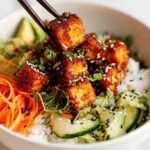
Crispy Gochujang Korean Tofu Recipe
- Prep Time: 15 minutes
- Cook Time: 30 minutes
- Total Time: 45 minutes
- Yield: 4 servings
- Category: Main Course
- Method: Baking
- Cuisine: Korean
- Diet: Vegan
Description
Crispy Gochujang Korean Tofu is a flavorful vegan dish featuring extra firm tofu baked until crispy and coated in a spicy, tangy gochujang sauce. Perfect served with rice and fresh vegetables, this recipe offers a delicious Korean-inspired meal that’s both satisfying and easy to prepare.
Ingredients
Tofu
- 1 16 ounce block extra firm tofu
- 1 tablespoon tamari or soy sauce
- 1 tablespoon cornstarch
- 3 tablespoons gluten free breadcrumbs can sub regular breadcrumbs
Sauce
- ¼ cup low sodium tamari or soy sauce
- ¼ cup gochujang/red chili paste be sure to check if GF!
- 1 tablespoon tomato paste
- 2 tablespoons vegetable broth or water
- 3 tablespoons honey sub maple syrup for vegan
- 1 tablespoon toasted sesame oil
- 1 tablespoon rice vinegar
- 2 teaspoons minced garlic
- 1 teaspoon fresh grated ginger
- 1 teaspoon cornstarch
- 1 teaspoon water
Instructions
- Preheat Oven: Preheat the oven to 400 degrees Fahrenheit to prepare for baking the tofu.
- Prepare Tofu: Remove the tofu from the package and drain off the excess liquid. Wrap it in a towel and lightly press to absorb the moisture.
- Cut and Coat Tofu: Cut the tofu into 1-inch cubes. Place the cubes in a bowl, toss with soy sauce, then cornstarch, and finally coat evenly with the gluten free breadcrumbs.
- Arrange for Baking: Place the tofu cubes on a baking sheet lined with parchment paper, ensuring pieces do not touch to maximize crispiness.
- Bake Tofu: Bake the tofu for 25 minutes. After baking, turn off the oven and let the tofu sit inside for an additional 5 minutes to crisp further.
- Make Sauce Base: While tofu bakes, whisk together all sauce ingredients except the cornstarch and water slurry in a small pot.
- Thicken Sauce: Combine cornstarch and water in a small bowl to form a slurry, add to the sauce pot, whisk, and heat over low to medium heat until sauce bubbles and thickens. Remove from heat to further thicken.
- Toss Tofu with Sauce: Once tofu is done, cool for 5 minutes. Transfer to a bowl and toss with half of the prepared sauce, reserving the other half for serving.
- Serve: Serve the crispy gochujang tofu with rice, cucumber, carrot, avocado, and sesame seeds. Optionally, pair with broccoli or enjoy alone.
Notes
- Use low sodium soy sauce or tamari to keep the dish from becoming too salty.
- Pressing tofu well removes moisture and helps it crisp better in the oven.
- Gluten free breadcrumbs are used here, but regular breadcrumbs can be substituted if gluten is not a concern.
- To make this recipe vegan, substitute honey with maple syrup.
- Ensure gochujang is gluten free if following a gluten free diet.
- Do not overcrowd tofu pieces while baking; spacing helps achieve maximum crispiness.
Nutrition
- Serving Size: 1 serving
- Calories: 250 kcal
- Sugar: 7 g
- Sodium: 450 mg
- Fat: 12 g
- Saturated Fat: 2 g
- Unsaturated Fat: 8 g
- Trans Fat: 0 g
- Carbohydrates: 22 g
- Fiber: 3 g
- Protein: 15 g
- Cholesterol: 0 mg