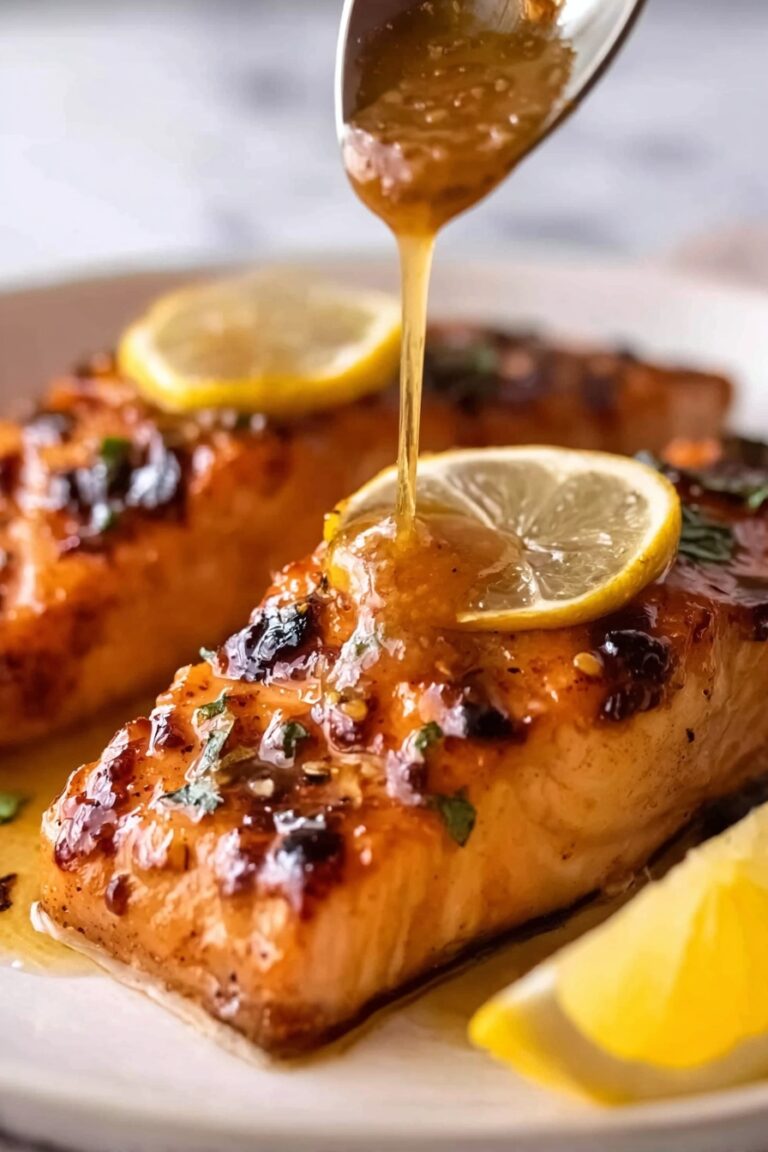
Braised Pork Shoulder with Apples Recipe
If you’ve ever wondered how to make a comforting, cozy meal that fills your kitchen with the most amazing aromas and tastes like a warm hug, I’ve got you covered. This Braised Pork Shoulder with Apples Recipe is pure magic — tender pork infused with aromatic herbs and the sweet zing of apples, all slow-cooked to perfection. Trust me, you’ll want to make this again and again once you taste it. So, let’s get to it and I’ll walk you through every step to make sure your meal comes out absolutely fantastic.
Why This Recipe Works
- Perfect Balance of Savory and Sweet: The pork’s rich flavor melds beautifully with the fresh tartness of Granny Smith apples.
- Tender, Fall-Apart Meat: Low and slow braising breaks down the pork shoulder, making every bite melt in your mouth.
- Layered Aromatics and Herbs: Onions, garlic, thyme, rosemary, and smoked paprika create a deeply flavorful base you’ll savor.
- Cooking Technique: Browning the meat first locks in juices and adds that crave-worthy caramelized crust.

Ingredients & Why They Work
Every ingredient in this Braised Pork Shoulder with Apples Recipe plays its part to create a harmonious dish. The pork shoulder’s marbling ensures tenderness, while the apples add a fresh, fruity contrast. Plus, herbs and spices elevate the sauce to a new level of deliciousness. Here’s what you’ll need and why.

- Pork shoulder: This cut is perfect for braising thanks to its fat content and connective tissue, which melt into juicy tenderness.
- Kosher salt & black pepper: Essential for seasoning and enhancing all the flavors.
- Olive oil: Adds a subtle fruitiness and helps achieve that golden sear on the pork.
- Yellow onions: Slowly caramelize during cooking, adding sweetness and depth.
- Garlic: A subtle pungency that balances the richness of the pork.
- Dry white wine: Adds acidity to deglaze and lift flavors off the pan.
- Fresh thyme & rosemary: Classic pork companions that add earthy, piney notes.
- Smoked paprika: Adds warmth and a slight smoky kick without overpowering.
- Apple cider (NOT vinegar): Brings a sweet-tart component that melds beautifully with the apples and pork.
- Low sodium chicken broth: Keeps the braise liquid flavorful without being too salty.
- Bay leaves: Add subtle herbal fragrance that rounds out the dish.
- Granny Smith apples: Their tartness and firm texture hold up in the braise, balancing the richness.
Make It Your Way
I love playing around with this Braised Pork Shoulder with Apples Recipe. Maybe you prefer a little more heat or want a different twist on the herbs? Feel free! It’s all about making this dish feel like a true reflection of your taste buds.
- Variation: Sometimes I swap rosemary and thyme for a bit of sage—its earthy, slightly peppery note really complements pork and apples beautifully.
- Dietary tweak: If you avoid alcohol, just replace the white wine with extra apple cider or broth and it still tastes fabulous.
- Make it spicy: Add a pinch of red pepper flakes when you add smoked paprika for a gentle heat that wakes up the palate.
Step-by-Step: How I Make Braised Pork Shoulder with Apples Recipe
Step 1: Get that beautiful sear going
Start by preheating your oven to 400˚F. While it warms up, pat the pork shoulder dry with paper towels—dry meat sears so much better! Season it generously with kosher salt and fresh ground pepper. Heat olive oil in a large oven-safe Dutch oven over medium-high heat, then brown the pork on all sides, about 5 minutes each side. Don’t rush here; a deep brown crust adds incredible flavor and makes the sauce richer. Once browned, set the pork aside.
Step 2: Build the flavor base
Lower the heat to medium. Add your thinly sliced onions and cook, stirring often, until they soften and start to caramelize—about 4 to 5 minutes. Then toss in the minced garlic, cooking just 20 seconds until fragrant. Pour in the dry white wine to deglaze, scraping all those wonderful browned bits off the bottom. These bits are flavor gold! Stir in fresh thyme, rosemary, and smoked paprika for a fragrant punch.
Step 3: Time to braise!
Place the pork back in the pot along with apple cider, chicken broth, and bay leaves. Bring the mixture to a boil on the stove. Cover with a tight lid and transfer to the oven, lowering the temperature to 350˚F. Now, slow and steady is the name of the game—let it braise for about 2 hours. This slow cooking is what makes the pork irresistibly tender.
Step 4: Add apples and finish cooking
After 2 hours, remove the lid and tuck in your quartered Granny Smith apples. Cover again and return to the oven for an additional 30 minutes, until the pork reaches an internal temperature of at least 145˚F (I prefer it closer to 170˚F for tender slices). The apples will soften but keep a bit of texture, adding brightness and sweetness to the rich pork.
Step 5: Rest and reduce the sauce
Take the pork out of the pot and onto a cutting board to rest for 10 minutes—this step is crucial as it lets the juices redistribute. Meanwhile, place the pot back on high heat and boil the braising liquid until it thickens slightly into a luscious sauce. You can strain if you prefer a smooth sauce, but I like it rustic with onions and bits of herbs.
Step 6: Slice, serve, and savor
Slice the pork shoulder against the grain and spoon over the savory sauce, onions, and those tender baked apples. I promise, this dish tastes even better the next day, so save some for leftovers if you can!
Tips from My Kitchen
- Don’t Skip Browning: It might feel like extra work, but that crust makes the whole dish taste richer and more complex.
- Choose Firm Apples: Granny Smiths hold their shape in the oven better than sweeter, softer varieties.
- Patience Is Key: Low and slow braising ensures the pork becomes tender without drying out.
- Rest Before Slicing: Allow at least 10 minutes to let the juices settle and keep the meat juicy and delicious.
How to Serve Braised Pork Shoulder with Apples Recipe

Garnishes
I always add a sprinkle of fresh thyme leaves and a little cracked black pepper on top right before serving. Sometimes, I like a touch of fresh parsley to brighten the plate visually and add a fresh herbal note that contrasts the rich pork and sweet apples.
Side Dishes
This braised pork pairs so wonderfully with creamy mashed potatoes—you’ll want something soft and buttery to spoon up all that incredible sauce. But I also love it over buttery egg noodles or even with roasted root vegetables when I want something a little heartier and rustic.
Creative Ways to Present
For special occasions, I like to plate slices of pork shoulder fanned out on a large platter, with the apples and onions spooned over and around. Adding a few sprigs of fresh herbs elevates the look, making it perfect for dinner parties or holiday meals.
Make Ahead and Storage
Storing Leftovers
I store leftovers covered tightly in an airtight container in the fridge for up to 4 days. The pork actually tastes richer the next day as the flavors have more time to mingle, making for fantastic sandwiches or reheated dinners.
Freezing
This recipe freezes beautifully. Just cool the pork and sauce completely before transferring to freezer-safe containers or bags. I freeze in meal-sized portions for up to 3 months, which is perfect for busy weeknights.
Reheating
Reheat gently on the stovetop over low heat with a splash of broth or water, stirring occasionally until warmed through. This helps keep the pork moist and the sauce silky. Avoid the microwave if possible to prevent drying out.
FAQs
-
Can I use a different cut of pork for this Braised Pork Shoulder with Apples Recipe?
While pork shoulder is ideal due to its fat content and tenderness when braised, you could use pork butt or even pork leg. Just keep in mind that leaner cuts might not be as tender or flavorful after slow cooking.
-
What if I don’t have a Dutch oven?
You can use any heavy, oven-safe pot or casserole dish with a tight-fitting lid. Alternatively, transfer the browned pork and liquid to a covered roasting pan or use a slow cooker after searing, adjusting cooking times accordingly.
-
Is apple cider vinegar a good substitute for apple cider?
No, apple cider vinegar is much more acidic and will overpower the dish. Stick to sweet apple cider for the right balance of fruitiness and acidity.
-
How do I know when the pork is done?
The pork shoulder is ready when it reaches an internal temperature between 170˚F and 190˚F for tender slices. To check, use a meat thermometer inserted into the thickest part of the roast.
-
Can I make this recipe ahead of time?
Absolutely! In fact, it tastes even better the day after cooking. Just reheat gently, and you’re good to go.
Final Thoughts
This Braised Pork Shoulder with Apples Recipe is one of those dishes that feels like home—warm, inviting, and packed with layers of flavor that comfort the soul. From the sizzle of the searing pork to the aroma of apples and herbs mingling in the oven, it’s a recipe I find myself coming back to over and over. Give it a try, tweak it your way, and enjoy the beautiful results with friends or family. Believe me, once you’ve experienced these tender bites soaked in that luscious sauce, this will become a staple in your kitchen too.
Print
Braised Pork Shoulder with Apples Recipe
- Prep Time: 20 minutes
- Cook Time: 2 hours 30 minutes
- Total Time: 3 hours
- Yield: 6 servings
- Category: Main Course
- Method: Baking
- Cuisine: American
Description
This Braised Pork Shoulder recipe features tender, flavorful pork slow-cooked with aromatic herbs, apples, and a savory sauce made from apple cider and chicken broth. The pork is first seared for a deep, rich flavor, then braised in the oven low and slow for several hours until perfectly tender. It’s a comforting and hearty dish perfect for a family dinner, served with sauce, soft onions, and sweet apples.
Ingredients
Pork and Seasoning
- 3 pounds pork shoulder roast
- Kosher salt, to taste
- Fresh ground black pepper, to taste
Cooking Ingredients
- 2 tablespoons olive oil
- 4 yellow onions, thinly sliced
- 6 cloves garlic, minced
- ¼ cup dry white wine
- 1 tablespoon fresh thyme leaves (or 1 teaspoon dried thyme)
- 1 tablespoon fresh chopped rosemary leaves (or 1 teaspoon crushed dried rosemary)
- 1 teaspoon smoked paprika
- 1½ cups apple cider (not apple cider vinegar)
- 1½ cups low sodium chicken broth
- 2 bay leaves
- 2 granny smith apples, cored and quartered
Instructions
- Preheat oven: Preheat your oven to 400˚F to prepare for searing and braising the pork.
- Season pork: Pat the pork shoulder dry with paper towels, then season all over generously with kosher salt and fresh ground black pepper.
- Brown pork: Heat olive oil in a large oven-safe Dutch oven over medium-high heat. Add the pork and sear it on all sides, about 5 minutes per side, until deeply browned. Remove and set aside.
- Sauté aromatics: Add sliced onions to the pot and cook over medium heat for 4-5 minutes until softened, stirring often. Stir in the minced garlic and cook for 20 seconds until fragrant.
- Deglaze pot: Pour in the dry white wine and scrape up all the browned bits from the bottom of the pot, stirring to incorporate the flavor.
- Add herbs and spices: Stir in thyme, rosemary, and smoked paprika to the pot with the onions and wine mixture.
- Return pork and add liquids: Place the pork back into the pot. Add apple cider, chicken broth, and bay leaves, then bring the liquid to a boil on the stovetop.
- Braise in oven: Cover the pot with a tight-fitting lid and transfer it to the oven. Immediately reduce the temperature to 350˚F and cook for 2 hours.
- Add apples and continue cooking: Remove the lid and add the quartered granny smith apples to the pot. Cover again and cook for another 30 minutes or until the pork reaches an internal temperature of at least 145˚F, preferably closer to 170˚F-200˚F for optimal tenderness.
- Rest pork: Remove the pot from the oven. Transfer the pork to a cutting board and let it rest for 10 minutes to redistribute juices.
- Reduce sauce: Place the pot back on the stovetop over high heat. Bring the sauce to a boil and cook for a couple of minutes until it reduces slightly and thickens.
- Serve: Slice the pork and serve it with the reduced sauce, cooked onions, and apples.
Notes
- Choosing the Pork: Select a pork shoulder with good marbling for the best flavor and tenderness.
- Browning is Key: Take your time to sear the pork thoroughly for enhanced flavor and color.
- Deglazing: Scrape all browned bits from the pot when adding wine to maximize flavor.
- Internal Temperature: Cook pork shoulder to at least 170˚F for tender slices; up to 200˚F if you prefer very tender meat. For pulled pork, cook closer to 205˚F.
- Resting Time: Letting the pork rest after cooking ensures juicy, tender meat.
- Strain the Sauce: For a smooth sauce, strain out onions and herbs after reduction if desired.
- Herb Variations: Try sage or other herbs to complement pork and apples.
- Serving Suggestion: Enjoy over creamy mashed potatoes or buttery egg noodles to soak up the flavorful sauce.
Nutrition
- Serving Size: 1 serving
- Calories: 450 kcal
- Sugar: 7 g
- Sodium: 350 mg
- Fat: 28 g
- Saturated Fat: 9 g
- Unsaturated Fat: 16 g
- Trans Fat: 0 g
- Carbohydrates: 10 g
- Fiber: 2 g
- Protein: 35 g
- Cholesterol: 110 mg