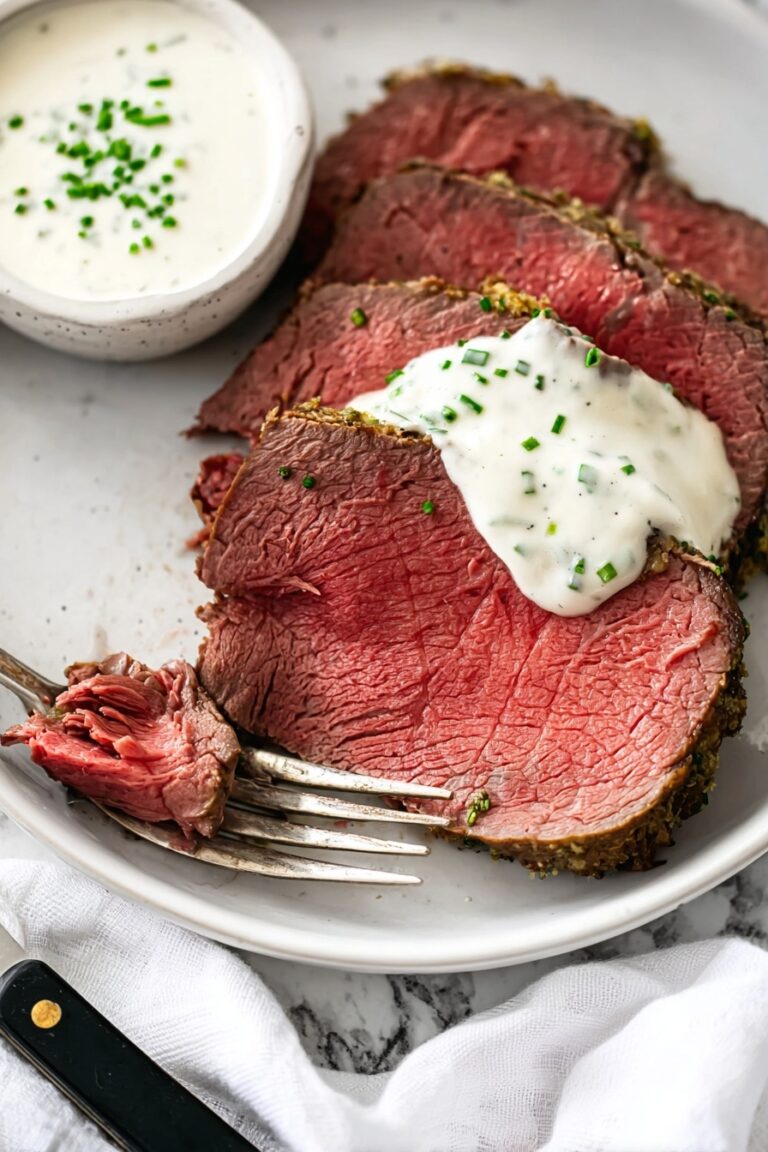
Beef Wellington Recipe
I’m thrilled to share this fan-freaking-tastic Beef Wellington Recipe with you today. It’s one of those dishes that looks super impressive but isn’t nearly as tricky as you might think. Trust me — once you nail this, you’ll be the star of every dinner party, and I’ll share all my tips so you don’t get overwhelmed. Ready to dig in? Let’s go!
Why This Recipe Works
- Balance of Flavors: The earthy duxelles and salty prosciutto beautifully complement the tender beef.
- Perfect Texture: The flaky puff pastry creates an irresistible contrast to the juicy interior.
- Stepwise Assembly: Breaking the process down keeps things manageable—even if you’re new to Beef Wellington.
- Time-Tested Techniques: Searing and chilling before baking ensures juicy beef and crisp pastry every time.

Ingredients & Why They Work
Each ingredient here has a purpose, contributing to layers of flavor and texture that make this Beef Wellington Recipe truly special. From the tenderloin itself to the mushroom duxelles and the prosciutto wrapping, these components work in harmony. When you shop, look for fresh mushrooms and good-quality beef — these little choices make a big difference.

- Beef Tenderloin: This cut is tender and lean, ideal for wrapping and roasting to medium rare.
- Kosher Salt & Pepper: Simple seasoning enhances the natural flavors without overpowering them.
- Olive Oil: Perfect for searing—it withstands high heat and adds a subtle fruitiness.
- Dijon Mustard: Adds a tangy layer that helps the duxelles and prosciutto stick to the beef.
- Mushrooms (Mixed): Using a variety adds depth and texture to the duxelles.
- Shallots & Garlic: They bring sweetness and aromatic warmth to the mushroom mixture.
- Fresh Thyme: Its herbal aroma lifts the whole dish beautifully.
- Butter: Adds richness and helps caramelize the duxelles.
- Prosciutto: Acts as a salty, flavorful barrier to keep the pastry from getting soggy.
- Flour: For dusting so your puff pastry doesn’t stick when rolling.
- Puff Pastry: The star flaky exterior that holds everything together.
- Egg: Creates a golden, shiny crust when brushed on pastry.
- Flaky Sea Salt: Adds a final pop of flavor and texture.
- Fresh Chives: Bright and fresh garnish that balances richness.
Make It Your Way
I love experimenting with this Beef Wellington Recipe depending on the occasion. The classic version is perfect for celebrations, but you can totally jazz it up or dial it back based on your mood or pantry.
- Variation: I’ve swapped prosciutto with thinly sliced smoked ham for a slightly different smoky depth, which was a huge hit with my family.
- Dietary Modification: For a lighter twist, I’ll sometimes replace the butter with olive oil in the duxelles.
- Seasonal Change: Adding finely chopped chestnuts or a splash of Madeira wine to the duxelles gives it a cozy autumn vibe.
Step-by-Step: How I Make Beef Wellington Recipe
Step 1: Prep and Sear the Tenderloin
First things first: trim off any silverskin or excess fat from your beef tenderloin—your butcher can often do this for you if you ask. Then tie it with butcher’s twine at about 1-inch intervals; this helps it hold its shape during cooking. Season generously with kosher salt and freshly ground black pepper. I find that reserving about a teaspoon of salt per pound works perfectly.
Heat a skillet over high heat until it’s just about smoking, then add olive oil. Sear the beef on all sides without poking around too much; let it develop that gorgeous brown crust—about 2 minutes per side. Searing seals in those juices, so don’t rush this part!
Once seared, remove the twine and brush the warm tenderloin with Dijon mustard—it adds a subtle tang and helps the duxelles stick later.
Step 2: Cook the Mushroom Duxelles
Now to the magical duxelles: I love using a mix of mushrooms for richer flavor. Pulse half your chopped mushrooms, shallots, thyme, and garlic in a food processor until finely chopped but not mushy—about 10-15 pulses. Repeat with the rest.
Using the same skillet (hello, flavor!), melt butter and olive oil over medium-high heat. Add your mushroom mixture, season with salt and pepper, and cook, stirring occasionally, until the mushrooms release their water and most of it evaporates. This step takes about 8-10 minutes. Then cook a few more minutes until the mushrooms brown nicely—this caramelization makes all the difference. Set aside to cool.
Step 3: Assemble the Wellington Wrap
Lay out a large double layer of plastic wrap on your work surface. On top, arrange prosciutto slices in slightly overlapping rows to create a square large enough to wrap around your tenderloin. Spread the cooled duxelles evenly over the prosciutto—this is the flavorful barrier that keeps the pastry from getting soggy.
Place the tenderloin on one edge, then use the plastic wrap to carefully roll everything into a tight log. Tuck in the ends as you go. Twist the plastic wrap’s ends and pop the whole thing in the fridge for about 30 minutes—this rest helps everything set nicely before the final pastry wrapping.
Step 4: Wrap in Puff Pastry and Bake
Preheat your oven to 425°F (218°C). Flour a clean surface lightly and roll out your thawed puff pastry to a rectangular shape large enough to enclose the prosciutto-wrapped tenderloin. If you have two sheets, press the edges of the pastry together firmly so it doesn’t separate during baking.
Remove the tenderloin from the plastic wrap, place it on one end of the pastry, then roll it up tightly. Tuck the ends underneath and seal the long edge with beaten egg wash for a perfect glue. If there’s extra pastry, trim it to avoid uneven baking.
Transfer your wrapped Wellington to a parchment-lined baking sheet. Brush the top with more egg wash for that irresistible golden color. Don’t forget to cut diagonal slashes every inch or so in the top to let steam escape during baking. Sprinkle flaky sea salt on top for that finishing touch.
Bake for about 40-45 minutes until the pastry is golden and the internal beef temperature hits 120-125°F (49-51°C) for medium rare. Once out of the oven, rest it for 10 minutes before slicing — this locks the juices inside for beautifully moist bites.
Tips from My Kitchen
- Don’t Skip the Sear: A good crust on the beef keeps moisture locked in and adds depth of flavor.
- Use Plastic Wrap Smartly: Rolling the prosciutto and duxelles tightly helps the Wellington keep its shape.
- Thermometer Is Your Friend: Checking internal temp takes the guesswork out of perfect doneness every time.
- Rest Before Slicing: Letting it rest ensures every slice stays juicy and doesn’t leak on your plate.
How to Serve Beef Wellington Recipe

Garnishes
I always finish with a sprinkle of fresh minced chives for a burst of color and mild onion-y flavor. A little extra flaky sea salt right before serving really brings everything together. It’s those simple touches that make your presentation feel restaurant-worthy.
Side Dishes
My go-to sides with this Beef Wellington Recipe are classic: creamy mashed potatoes or a silky parsnip purée, honey-glazed carrots, and sautéed green beans with garlic. These sides balance the richness perfectly without stealing the show.
Creative Ways to Present
For special occasions, I sometimes slice the Wellington thick and serve it on individual mini wooden boards with herb sprigs and a drizzle of red wine jus. It’s elegant, easy to eat, and guests always comment on how stunning it looks. Another fun idea is cutting into bite-sized medallions as fancy appetizers.
Make Ahead and Storage
Storing Leftovers
Leftovers from this Beef Wellington Recipe are a treat! Wrap the slices tightly in plastic wrap or keep in an airtight container and refrigerate for up to 2 days. Keeping it well-wrapped prevents the pastry from going soggy too quickly.
Freezing
I recommend freezing the raw assembled Wellington (before baking, wrapped in pastry) if you want to prep in advance. Wrap tightly in plastic wrap and foil, then freeze for up to 1 month. When ready, thaw overnight in the fridge and bake as usual. This really saved me time during busy holiday cooking.
Reheating
To reheat, I prefer using a low oven (around 300°F/150°C) to gently revive the pastry without drying the beef. Heating for about 15 minutes usually does the trick. Avoid microwaving if you want to keep that crisp puff pastry texture.
FAQs
-
What cut of beef is best for Beef Wellington?
The center-cut beef tenderloin is ideal due to its tenderness and uniform shape, which allows it to cook evenly wrapped inside the pastry.
-
Can I prepare Beef Wellington in advance?
Yes! You can assemble the Wellington up to the point of baking and refrigerate it for a few hours or freeze it for longer storage. Just make sure it’s well wrapped to keep the pastry intact.
-
How do I know when the Beef Wellington is done?
The most reliable way is to use a digital meat thermometer inserted into the center. For medium-rare, aim for 120-125°F (49-51°C) before resting; it will rise a bit more during rest.
-
Why do we use prosciutto in Beef Wellington?
Prosciutto provides a salty, flavorful layer that protects the pastry from moisture while adding another dimension of taste.
Final Thoughts
This Beef Wellington Recipe holds a special place in my heart—it’s the go-to dish when I want to impress but not stress. The step-by-step approach really helped me the first time, and now it feels like second nature. If you’re looking to wow your friends or family with something elegant yet approachable, you’ll love this recipe as much as I do. So grab your apron, follow these tips, and enjoy the delicious rewards!
Print
Beef Wellington Recipe
- Prep Time: 20 minutes
- Cook Time: 1 hour 10 minutes
- Total Time: 2 hours
- Yield: 8 servings
- Category: Main Course
- Method: Baking
- Cuisine: British
Description
Classic Beef Wellington made with a tender center-cut beef tenderloin wrapped in a savory mushroom duxelles and prosciutto, all encased in crispy puff pastry. This elegant dish is perfect for special occasions and impressive dinners.
Ingredients
Beef Tenderloin
- 2-3 pounds center-cut beef tenderloin trimmed of silverskin and fat, then tied with butcher’s twine at 1-inch intervals
- Kosher salt and freshly ground black pepper
- 2 tablespoons olive oil
- 2 tablespoons dijon mustard
Duxelles
- 1 1/2 pounds mushrooms (button, cremini, shiitake, portabello, or a mix cleaned and roughly chopped)
- 2 tablespoons salted butter
- 2 tablespoons olive oil
- 2 medium shallots roughly chopped
- 2 teaspoons fresh thyme leaves (about 6 sprigs)
- 4 cloves garlic
- Kosher salt and freshly ground black pepper
Assembly
- 12 thin slices prosciutto (about ¼ pound)
- Flour for rolling out puff pastry
- 14 ounces frozen or homemade puff pastry thawed
- 1 large egg beaten
- 1/2 teaspoon flaky or coarse sea salt such as Maldon or fleur de sel
- 1 bunch finely minced chives
Instructions
- Prepare the tenderloin: Trim away silverskin and fat from the beef tenderloin if needed, then tie with butcher’s twine at 1-inch intervals. Season generously all over with about 3 teaspoons of kosher salt and freshly ground black pepper.
- Sear the tenderloin: Heat a large skillet over high heat until smoking hot, then add 2 tablespoons olive oil. Sear the tenderloin on all sides including the ends for about 2 minutes per side to achieve a nice brown crust. Avoid moving the meat until ready to flip.
- Brush with mustard: Remove the seared tenderloin from the pan, cut off the twine, and brush all sides with 2 tablespoons dijon mustard while the meat is still warm. Set aside.
- Make the duxelles: Combine half of the mushrooms, shallots, thyme leaves, and garlic in a food processor and pulse about 15 times until finely chopped. Repeat with remaining mushroom mixture.
- Cook duxelles: In the same pan used for searing, heat 2 tablespoons salted butter and 2 tablespoons olive oil over medium-high heat until melted. Add mushroom mixture, season with salt and pepper, and cook while stirring occasionally until most liquid is released and evaporated, about 8-10 minutes. Continue cooking for another 4-5 minutes to brown mushrooms. Remove from heat and let cool.
- Assemble prosciutto wrap: Lay out 12 slices prosciutto on a large piece of plastic wrap in a slightly overlapping square large enough to wrap the tenderloin. Spread the cooled duxelles evenly over prosciutto, then place tenderloin on one end.
- Roll tenderloin: Using plastic wrap, tightly roll the tenderloin in prosciutto and mushroom mixture forming a log. Tuck in ends of prosciutto as you roll. Twist plastic wrap ends closed and refrigerate for 30 minutes to help set.
- Preheat oven and prepare pastry: Preheat oven to 425°F (218°C). Lightly flour a clean surface and roll out the 14 ounces thawed puff pastry into a rectangle large enough to enclose the tenderloin. Seal edges if combining sheets.
- Wrap in puff pastry: Remove tenderloin from plastic wrap and place it in the center of the puff pastry. Roll it up, tucking ends underneath and brush the long edge seam with beaten 1 large egg to seal. Trim excess pastry if necessary.
- Bake: Place wrapped tenderloin on a parchment-lined baking sheet. Brush top with remaining beaten egg. Cut diagonal slashes about every inch down the length of the pastry to allow steam to escape. Sprinkle with 1/2 teaspoon flaky or coarse sea salt.
- Cook to medium-rare: Bake in the preheated oven for 45 minutes or until pastry is golden brown and internal temperature of tenderloin reaches 120-125°F (49-51°C) for medium rare.
- Rest and serve: Remove from oven and let rest for 10 minutes. Slice into thick slices and garnish with finely minced chives and additional flaky salt.
Notes
- Use a digital meat thermometer to monitor internal temperature for perfect doneness.
- Let the beef rest after cooking to allow juices to redistribute for a moist tenderloin.
- Prosciutto adds saltiness, so season the duxelles moderately to balance flavors.
- You can prepare the duxelles a day in advance and keep refrigerated to save time.
- Ensure puff pastry is well thawed before rolling to prevent tearing.
- Tie the beef with butcher’s twine to maintain shape during cooking; ask your butcher for assistance if unsure.
Nutrition
- Serving Size: 1 serving
- Calories: 650 kcal
- Sugar: 3 g
- Sodium: 850 mg
- Fat: 45 g
- Saturated Fat: 18 g
- Unsaturated Fat: 22 g
- Trans Fat: 0 g
- Carbohydrates: 30 g
- Fiber: 3 g
- Protein: 40 g
- Cholesterol: 110 mg